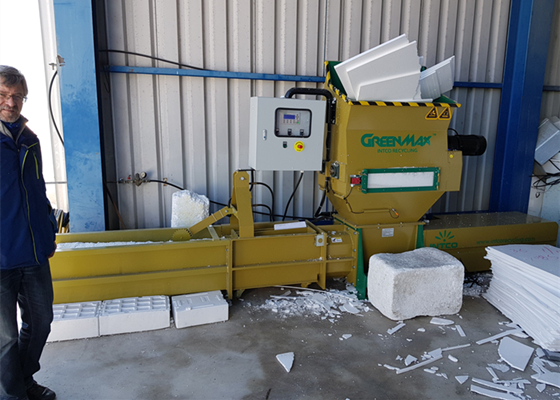
Recycle Discarded EPS Foam with EPS Foam Compactor to Avoid Damages to Nature
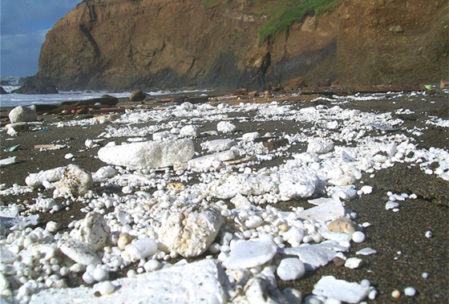
The discarded EPS foam cannot enter the biogeochemical cycle through biodegradation and photolysis. Due to the low specific gravity of expanded polystyrene, it floats on the water or drifts with the wind, causing damage to the natural landscape. According to an investigation by the California Coastal Commission, EPS is already a major marine drift, and for plastic sea creatures such as ingestion, it will cause damage to the digestive system.
Fortunately, most companies have realized the importance of EPS recycling. Various EPS foam compactor have also entered the market in an endless stream, which not only helps reduce the pressure on the ecological environment, but also helps companies improve their economic benefits and social influence.
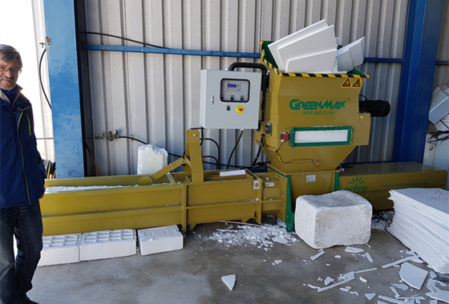
The EPS foam compactor is different from other hot melt machines on the market, it is more environmentally friendly because the machine does not need to be heated during use and is purely physical compression. More importantly, for those packages like fish boxes that contain moisture, or the foam packaging boxes that have just been frozen in the supermarket, you can only choose the cold compactor, because the temperature of the hot melt machine will be affected because of moisture, and it will downtime, at this point, there is no need to worry about when using EPS foam compactor.
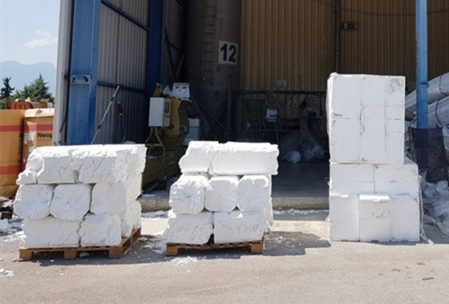
The EPS foam blocks formed by the compactor can be sold to downstream manufacturing companies at a high price, used to manufacture other products, continue to enter the market to serve our lives, and bring a variety of choices to our consumption. In addition, the use of EPS foam compactors to recycle waste foam by enterprises has also established a positive image in the society, setting an example for the society and individuals and bringing people’s enthusiasm for recycling actions.