GREENMAX solves the problem of low EPS recycling rate due to high recycling costs
Recycling EPS is certainly possible, but why is recycling of this material not as popular as recycling of other kinds of waste? As it turns out, it all comes down to economics – bulk, weight and an efficient recycling process. Anna Dengler, Vice President of Operations for corporate sustainability consulting firm Great Forest, says that whether recycle EPS depends on the volume and weight. “The issue with EPS as opposed to hard plastics is that hard plastics weigh more,” she explains.
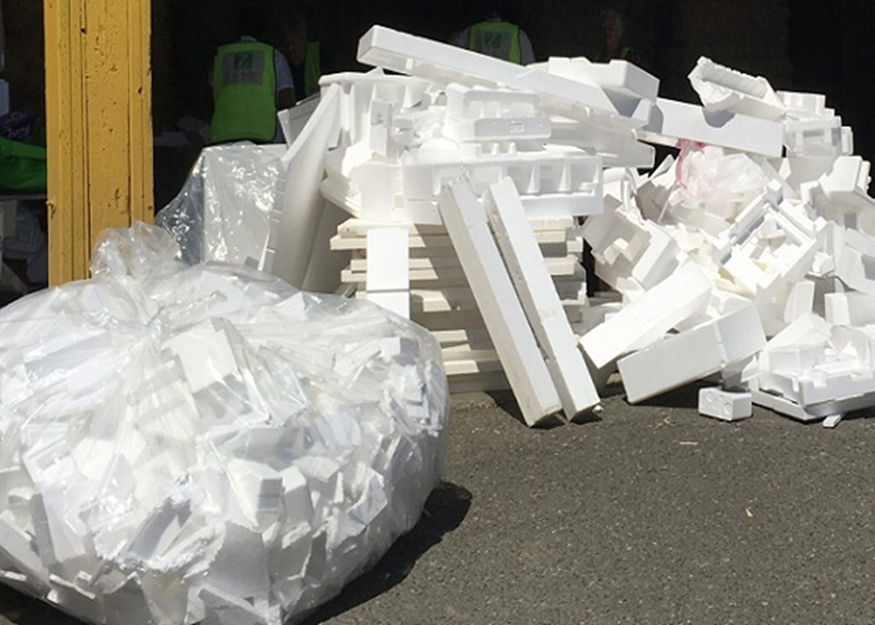
Research found that EPS foam not only degrades in seawater, but also that the resulting pieces called styrene monomers are toxic when ingested by marine life. “It doesn’t biodegrade, it just breaks down, and as it breaks down it just leads further down the food chain,” says Nathan Murphy, the state director for Environment Michigan. From this point of view, it is urgent to use the correct method to help EPS reduce its volume and recycle EPS.
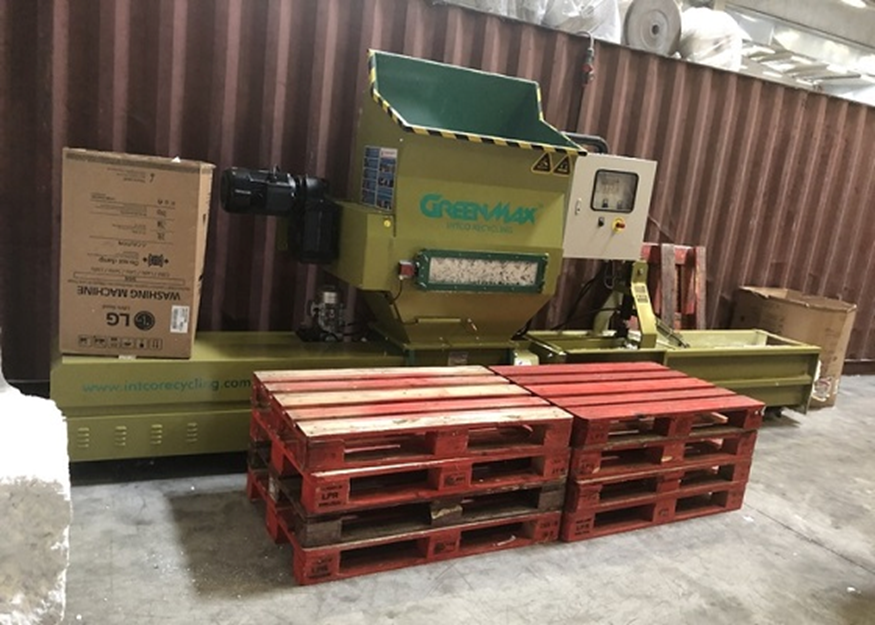
EPS compactor can achieve good EPS volume reduction effect. GREENMAX EPS compactor focuses on solving the problems of difficult EPS storage and transportation. The compression ratio of this EPS recycling machine is 50:1, because it is no longer loose after compression, and becomes the dense EPS blocks. We can put these EPS blocks neatly in the warehouse, instead of being scattered everywhere, and avoiding the phenomenon of EPS debris being blown around. What is more worth mentioning is that with an EPS compactor, the air in the EPS is squeezed out, the mass per unit volume is greatly increased, a lot of transportation costs are reduced, and the price is controlled within the acceptable range.
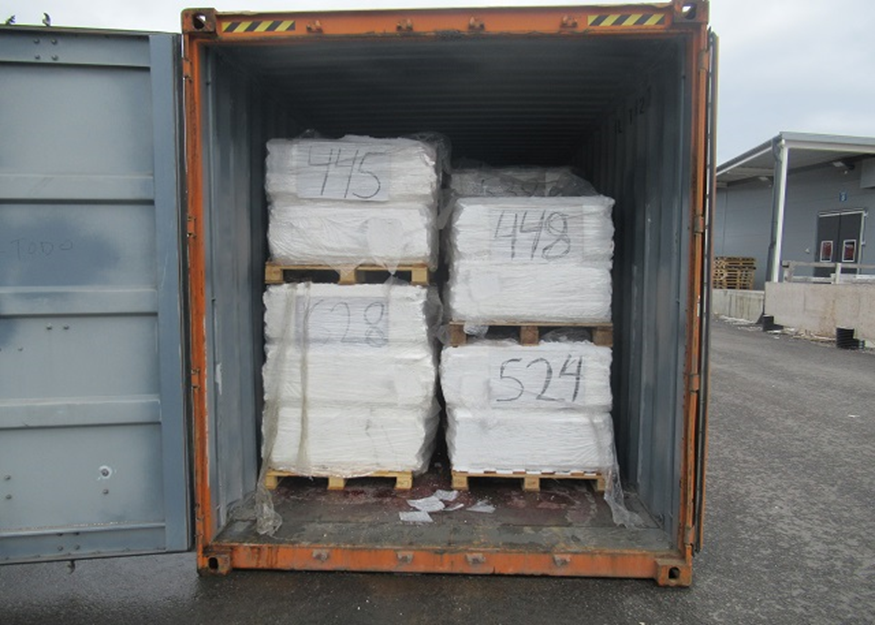
Economy is also a concern in the process of recycling EPS. EPS compactor helps to reduce some unnecessary storage and transportation costs, while GREENMAX EPS recycling system is the only way to help profit. We purchase compressed EPS. In order to better realize the closed-loop recycling and improve the EPS recycling system, GREENMAX has many granulation factories and frame production factories around the world. Stable purchase of 100,000 tons of EPS every year is used to manufacture environmentally friendly photo frames, including imitation wood photo frames, and the use of waste not only reduces white pollution, but also protects trees from being cut down.