Polystyrene compactor finds a second home for recyclable marine debris
Schneider Electric has recently launched a special range of household sockets and switches. These switches are made from recycled plastic from marine debris and have been recognised by CES as an innovation award in the category of sustainability for 2022. This award is certainly a recognition of the recycling and reuse of plastics.
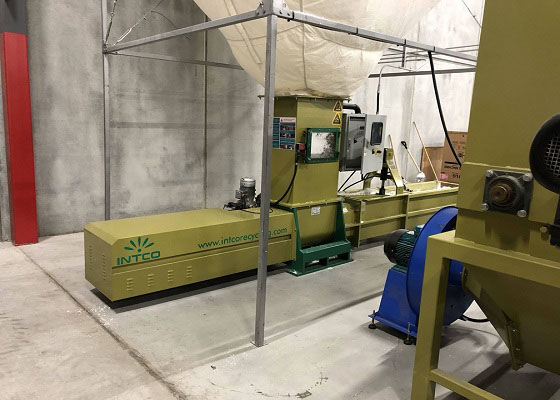
Up to 85% of marine litter is plastic, particularly EPS, which comes partly from waste that seeps into groundwater after dumping, partly from waste streams dumped into the sea, and partly from EPS buoys used for marine research. Many people do not realise that plastic can be recycled and it is our attitude that determines whether it can be recycled or not.
EPS is made up of 98% air and 2% real plastic. When we squeeze all the air out of EPS, it can be 100% recycled. Ultimately, when it comes to EPS recycling, the biggest headache for recyclers is how to effectively and cost-effectively transport this extremely low density EPS waste to a designated disposal site. This is why they prefer to recycle a pound of glass rather than a pound of EPS.
But because EPS is still the material of choice in all areas of life. Efficient EPS recycling prevents the recycling system from becoming clogged with unsuitable waste. When it comes to popular recycling methods, polystyrene compactors should be one that cannot be ignored. This is because the polystyrene baler recycling method not only uses advanced technology, but can also form a complete EPS recycling system.

A complete recycling system is valuable to recyclers, as many of them are concerned that EPS material, although initially compacted after recycling, seems to have a positive effect only in terms of saving storage space. A complete system recovery behind a polystyrene compactor is different. The EPS blocks produced after recycling can be sold to recyclers or manufacturers for pelletizing and conversion into new end products to develop new lines of business, which amounts to finding a second home for this EPS waste.
Helen Mets, Executive Vice President, DSM Materials, said, “Addressing the global marine plastics challenge will require our industry to redouble its efforts to find innovative solutions to drive the recycling transition.” In today’s recycling environment, which is constantly overcoming technological challenges, our recycling philosophy must evolve with the times. In today’s global climate of sustainability and circular economy, we may need the advent of polystyrene compactors to encourage everyone to recycle.