EPS Foam Densifier Can Help Seattle Realize Foam Recycling with Hot-melting Technology
Seattle and the rest of the state are throwing out tons of EPS foam. During the 2019 calendar year, nearly 5,000 tons of EPS foam ended up in the Cedar Hills Regional Landfill — a small percentage of the total annual waste but, by weight, that’s equivalent to roughly 400,000 mountain bikes. So why do Seattle residents abandon EPS foam at will? The key reason is that it is too complicated to recycle EPS foam here.
This gets to the core of the matter: EPS foam is a headache. It is light but takes up an immense amount of space. Last year, only 46 tons of it were taken to the Shoreline and Bow Lake transfer stations — and there aren’t enough market incentives to recycle it at scale anyway. With the development of science and technology, in fact, there is a means to recover EPS foam completely, the hot-melting machine—EPS foam densifier.
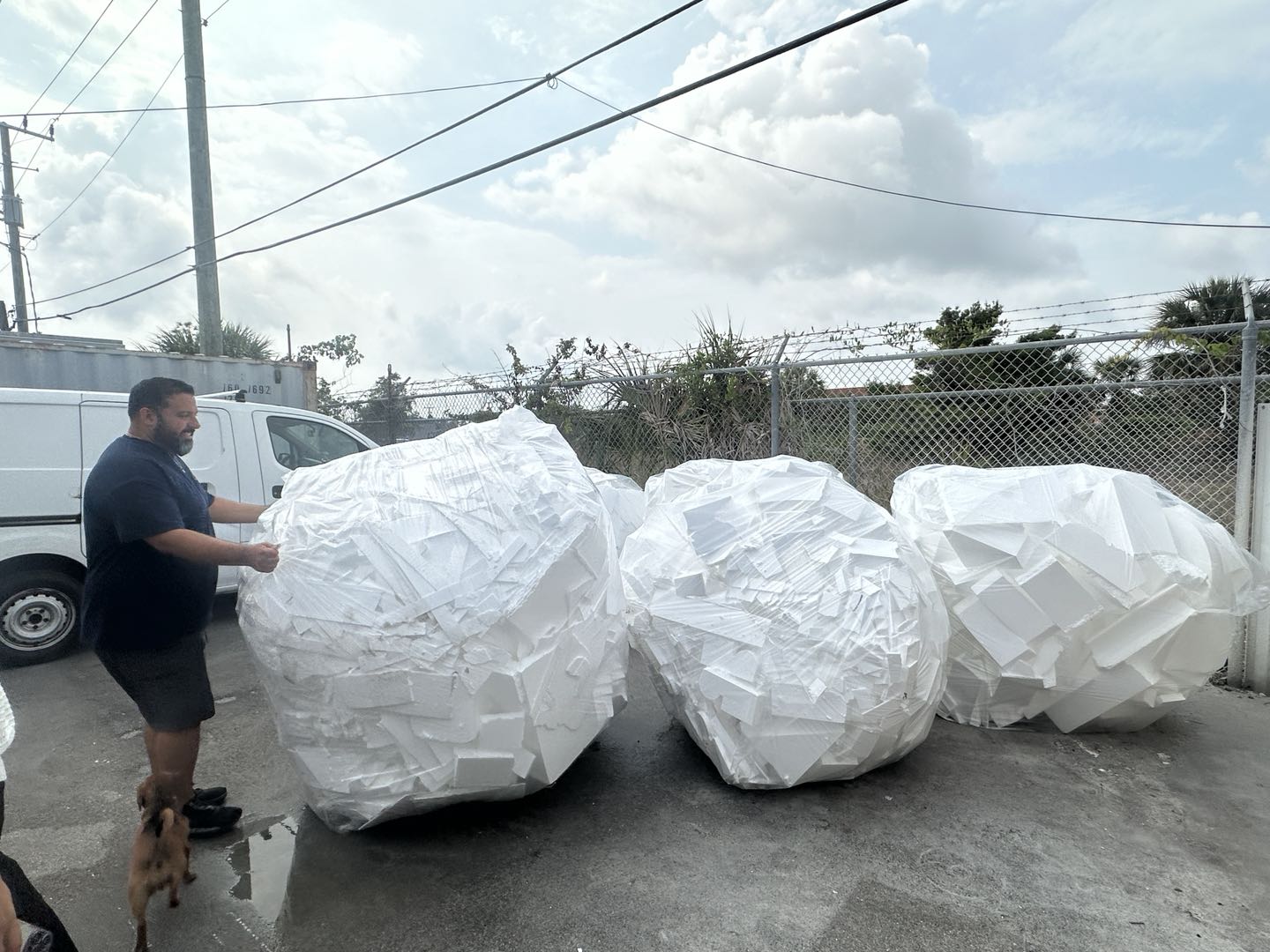
You may not know that EPS foam will quickly occupy space after being transported to the landfill, degraded at the rate of glacial dissolution and contaminate groundwater. In fact, this is an incomplete recycling method, which will cause secondary pollution to the environment. It has no other significance except to make EPS foam disappear. What EPS foam densifier gives EPS foam is a complete recycling scheme.
The recycling process of EPS foam densifier is surprisingly simple. Put the EPS foam into the hopper, and then melt it through the hot-melting system. Finally, the extruded EPS foam becomes hot-melting ingots after cooling, and the compression ratio is as high as 90:1.
Now the environmental pollution is more and more serious, and EPS foam pollution has a great negative impact on the biological health of the earth. In order to avoid further deterioration of the environment, we need to take measures to alleviate it as soon as possible. There is no doubt that EPS foam densifier will become an important means to promote recycling.