Extruded polystyrene recycling with Styrofoam compactor
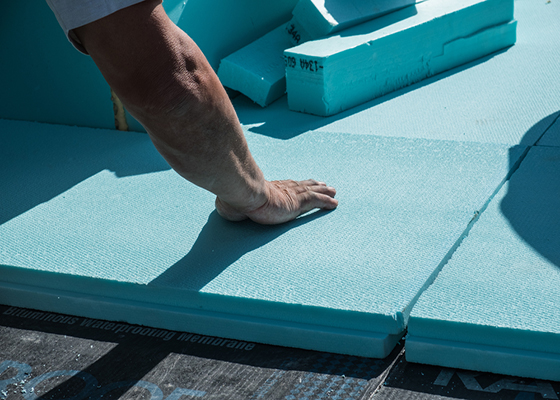
Extruded polystyrene foam, commonly known as a kind of Styrofoam, is a type of insulation applications, it can be used for the furniture transportation as this material has antiknock quality. In addition, it is also popular in building industry, because its good insulation performance. This type of material may also be used in roadway construction. For example, it may serve as a layer of insulation under pavement to prevent freezing and thawing of the soil below from cracking the surface.
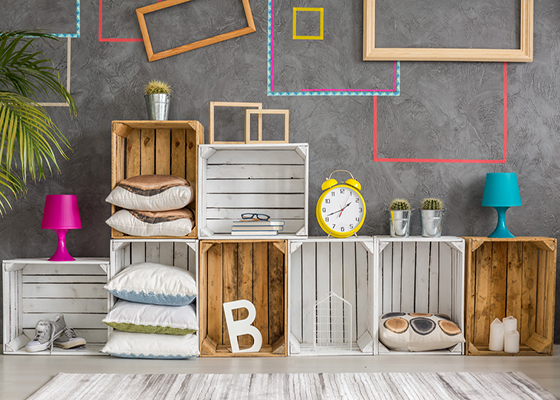
This strong but lightweight material is also used for crafts, and it is usually sold in sheets. For this foam material, those craftsmen are very familiar with it, and it is usually made into some home decorations, such as photo frames or toy models. Especially in some scenic spots, XPS provide materials to those souvenirs.
Extruded polystyrene foam is actually made of beads of the material. It is used to make “peanuts” for packaging, disposable coffee cups, and foam picnic coolers. Unlike extruded foam, which is blue in color, expanded foam is typically white. Such a material can be recycled? And the answer is “Yes, of course”.
Just like EPS recycling, Extruded polystyrene foam can also be recycled by mechanical recovery. However, it offers improved surface roughness and higher stiffness and reduced thermal conductivity. But the density range is stronger than EPS, so it is harder to compress. But it doesn’t matter, a Styrofoam recycling machine can solve such a problem.
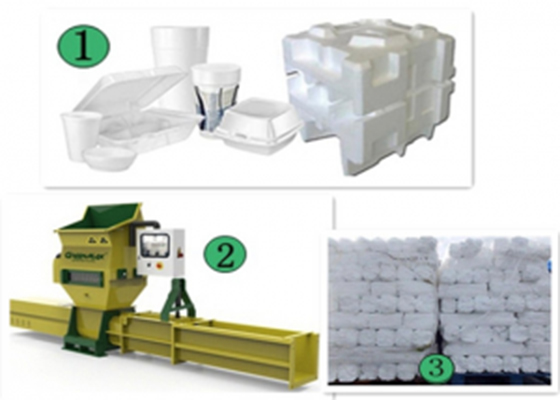
GREENMAX APOLO series EPS compactor from INTCO gives a total solution to XPS recycling. We have different size of APOLO series compactors for different volume of Extruded polystyrene foam disposing, and the working process is easy and safe. The worker need put the XPS waste into the machine container and then the blade will crush the material into pieces with the electrical power. Then the pieces will be compressed into tight block under the pressure. Thus, at last the incompact and big size XPS are compacted into regular and tight block, which is convenient to transport.
Such a machine is so efficient that we have many successful cases in different countries. And we are always committed to improve the technology and machine, so that we can make foam recycling work better.