GREENMAX can help solve the problems of polystyrene recycling and achieve its regeneration
The polystyrene products you used everyday usually comes in a variety of forms. “Polystyrene” is the name of the type of plastics and the chemicals and structures therein. The white foam material is up to 98% of the air, and as low as 2% of plastics, thus making polystyrene recycling more difficult.
According to the data, polystyrene is one of the most widely used plastic types in the world. Due to its good water resistance, heat insulation, insulation and low moisture absorption features, it is widely used in packaging, insulation, shock absorption, decoration, catering and other fields, permeating into all sectors of the national economy.
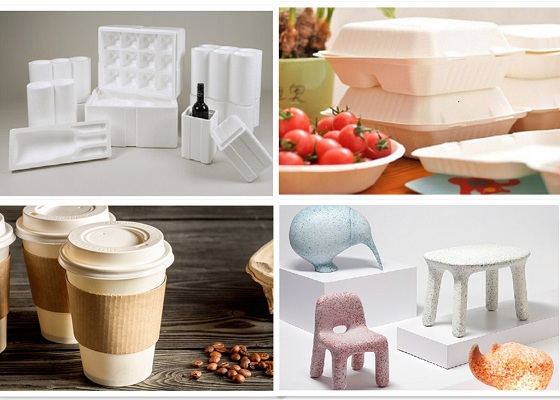
It is learned that most of the polystyrene products are single-used, and millions of tons of white garbage are disposed of in the natural world after being discarded. They cannot be self-degraded, on the one hand, they will be there for hundreds of years, thus causing serious environmental pollution. This is also a valuable waste of non-renewable resources. How to effectively recycle the waste polystyrene foam has attracted the attention of researchers all over the world.
At present, the methods of polystyrene recycling are to break it up, melt and regenerate it into another material particle, then add the corresponding non-auxiliary agent, and then process it into other materials.

You can find the rebirth of polystyrene in INTCO. GREENMAX polystyrene densifier can melt the waste foam at a ratio of 90:1, then the polystyrene waste are palletized and loaded into 40HQ Ocean containers and shipped to INTCO factories located in China and Malaysia from all over 100 countries and territories. There the recycled polystyrene can be process into new products like photo frames and crown moldings. With new recycling technology of INTCO, polystyrene has gained its entirely new life.
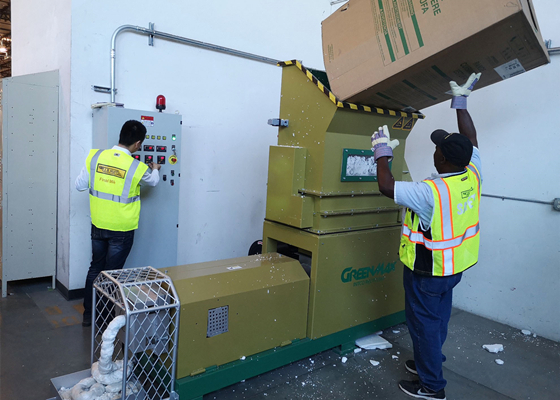
GREENMAX can not only help solve the problems of polystyrene recycling, but also gain the rebirth of polystyrene waste.